Tacked to the back of the pantry door were several sheets of pale blue stationery - short grocery lists, names and telephone numbers, recipes and reminders, a list of birthdays. All were handwritten except one which was neatly typed, double spaced and titled - "Things To Do Today". It read:
Keep your head.
Mind your tongue.
Hold your temper.
Count your change.
Check your compass.
Don't settle.
Get up each time you fall.
Know when to walk away.
I read it twice, imagining my grandmother at the small breakfast table, thinking it through before typing it up on her small portable Remington typewriter, choosing what she thought of as the most important instructions then condensing, simplifying, and posting it where she would see it every day. The paper was faded, its edges worn and a little ragged but it was a good list - straightforward, clean and direct. It was hard to think of a situation where following its wisdom wouldn't help.
Nana had been an eminently practical woman, prone to approach problems head on and at full speed, hardly one to take philosophical or tactful detours, never one to seek self help. The to do list seemed out of character for her and I began to wonder if it had been more of a goal, something she could strive for in her everyday life.
I was carefully taking the list down when I noticed the handwritten postscript at the bottom of the page - Practice makes perfect! she had added in small, precise letters and underlined the words with a feathery flourish.
Leave it to a grandmother to surprise you in life and death.
 Anything to declare? the young, uniformed customs agent asked with an appraising smile as he leaned in the driver's side window and tipped his cap.
I declare I like your eyes, my mother replied with a flirtatious laugh and a fluttering of eyelashes, But no, nothing. My grandmother, sitting ramrod straight in the passenger seat, slammed her book shut with a scowl, her jaw clenched in suppressed anger. The young agent blushed slightly, then stepped back and waved us through. The multiple bottles of whiskey and the twenty or so cartons of American cigarettes wrapped and stowed under the seats went undetected. Easy as falling off a log, my mother said casually as we drove onto Canadian soil and Nana crossed her arms and stared fiercely out her window all the way to St. Andrews. I wasn't exactly sure what had made her so furious but I was old enough to rein in my curiosity and knew better than to ask.
There weren't many shades of gray for or between these two women. Both could be hot tempered and tyrannical if they didn't get their way. Both were intolerantly and adamantly republican/conservative/right wing and neither had any use for people of color, welfare programs, rock and roll, sex education in schools or modern furniture. Both were hard core, hard shelled, fire and brimstone Baptists who viewed religious freedom more as a character flaw than a right. Both were devout gossips, although they would have fought violently against the charge - both saw the budding issue of same sex relationships as abnormal and preferably punishable by death - both were anti anything that didn't fit neatly into their world view - desegregation, civil rights, modern art, career women, movie magazines, single mothers, motorcycles.
Yet with all this in common, these were two women were constantly at odds with each other. They fought about it all, the significant and the trivial, the meaningful and the foolish. There were no small disagreements, each and every conflict turned bitter and mean spirited and we learned early on that the fall out from this incessant war had far reaching effects. Caught in the crossfire was a phrase that had literal meaning for us.
I am more like both of them than I choose to admit but my battle is with myself alone.
 Ninety degrees on the 5th of May.
The old lady at the bus stop sat in the sweltering heat with two plastic bags of groceries at her feet and an umbrella across her lap. She wore a large floppy straw hat and fanned herself with a magazine but even from a distance I could see the sheen of perspiration on her face and neck. Her house dress was wilted and sweated through in places but she smiled at me as I passed and gave me a slight nod. The bus arrived and she rose from the bench, gathered her possessions and climbed aboard, wincing slightly at each step she took in her well worn flip flops. I saw that her toenails were painted bright red, in odd contrast to her otherwise plain and sensible dress and patent leather black purse. She might have been in her 60's or in her 90's or anywhere in between, a little weary and a little arthritic but still up and about and doing her daily shopping, still able to smile at a stranger and climb aboard a city bus to get home. We do what we have to do, I remembered my grandmother telling me, Who ever told you life would be easy or fair?
It was a kinder and gentler version of Life's A Bitch And Then You Die, I suppose. Nana was never overburdened with sympathy when practicality and problem solving would do - she more or less accepted her lot in life and made the best of it, wasting no time on the hopeless or the inevitable. People had their place in life, she believed, a purpose and a destiny - some were born to struggle and be poor, some were born to greatness, most were born to get along the best they could. Well off don't mean happy, she often said, and poor don't always mean misery. She had no time to listen to the complaints of the bitter or discontented and especially not to the self pitying, Just get on with it and be done! she would snap at my mother, You think you're the only one with troubles?
The old woman settled herself in a window seat and the bus rumbled off, leaving a cloud of exhaust behind. I doubted my grandmother had ever ridden a bus but if she had, she definitely would have had a window seat or there'd have been hell to pay.
 No one in my family spoke much about family.
My mother, an only child, and my daddy, one of 10, were both reticent about their childhoods and the subject of who they were before marrying never came up. I knew the basic details - that both had been in the military, that for one brief summer my mother had worked in a well known department store and that my daddy had been a salesman. I knew where my mother had gone to high school, that my daddy had played in an army band. It was the things I didn't know - the things that never came up - that began to interest me, especially when I realized how much everyone else seemed to know about their families. How had they met? Where were they married? Did they have a long or short courtship, a honeymoon? Did they struggle to make ends meet or have the same dreams? I didn't know what day of the week I was born, where my brothers were born, how my daddy had come to work for my grandfather, what my numerous aunts and uncles did for a living. Had my grandmothers ever met? How old was my daddy when his own daddy died? How did the family business come to be a funeral home? I knew more about the histories of friends and their families than I did my own and stranger still, knowing so little didn't seem the least bit odd. We weren't a chatty or a forthcoming family and though there were one or two old photograph albums with grainy old black and white snapshots pasted to black paper, they didn't tell much of a story and I had no idea who might have been behind the camera. My maternal grandmother had a handful of similar albums but they were mostly faded 3x3's from an instant camera and mostly scenic shots graced with very few people. We weren't much for memories either, I concluded, and later on I was to idly wonder if my own interest in photography might not have been born, in part, from this lack of a visual record keeping.
There are always only two kinds of people in this world, my grandmother liked to tell me, Only we define them in different context. There are dog lovers and cat lovers, savers and spenders, truth tellers and liars, accountants and artists, lovers of war and peace seekers. There are families who treasure where they come from and others who would rather never know. Distill it down to its most common element and it makes no matter, she warned me,
How we come to be isn't as important as the fact that we are.
Arguing with Nana was always a futile process but on this occasion, though I didn't dare suggest it, I thought she might have been wrong. A part of me, the part that writes stories and takes pictures and remembers, still does.
 Oh, no, Nana sighed as she pulled the Lincoln up to the post office building, What is it this time?
Willie Foot, looking all the world like a green haired Harpo Marx, was perched precariously on the roof in a patched and dusty old sport coat, clutching an umbrella in one hand and brandishing a headless flounder in the other. Fish blood had trickled down his sleeve and splattered on his shirt and he was yelling frantically at the sky, Rend not the fish!
Rescue efforts weren't going well by the time John Sullivan arrived. Willie continued to yell and when the Sullivan boys attempted to climb up after him, he pelted them with fish he almost magically produced from a canvas bag slung over his shoulder. The headless flounder came flying through the air and narrowly missed Miss Violet and Miss Victoria as they approached, arm in arm, causing Miss Violet to nearly swoon and Miss Victoria to shriek an unladylike if mild curse. Willie! my grandmother called sharply, Come down from there this instant! In response, Willie pulled a smallish green lobster from his bag, claws still waving, and flung it in her direction. To her credit, Nana caught it deftly and immediately returned fire, hitting the little man squarely in the chest and knocking him off his feet whereupon he slid ass backwards down the roof and over the edge, landing in Long John's waiting arms. Quite a throw you've got there, Alice, John remarked, depositing Willie unceremoniously on the dirt road, Didn't know you could pitch. Willie picked himself up, dusted himself off, and gave us all what my daddy would've called a withering look, then gravely laid out the remaining fish and the canvas bag at Long John's feet and with a cross eyed grin went hip hopping down the watery ditch toward The Point. Each enthusiastic step made a small spray of water and the sunlight passing through the sprays made tiny rainbows in his wake.
Mad as a hatter, my grandmother muttered.
'Spose so, Long John told her with a shrug, but harmless and happy as a mackerel.
It was later that evening when Uncle Shad heard sounds from his chimney, scratching and scrabbling noises as if some unwelcome intruder had come calling. He prepared to lay a fire to smoke out whatever trespassing creature might have found its way in when he heard a crash followed by a loud but very human howl of pain, and there was Willie, upside down and securely wedged in with a dislocated shoulder. A second canvas bag dangling in his one free hand was found to contain several cans of blueberry pie filling and yet another flounder. It took John Sullivan as well as his brother, several yards of rigging, a gallon of fish oil and most of the night to dislodge him - to the surprise of no one present, Willie resisted all efforts to free himself, fighting with the strength of ten and the iron will of madness. Like tryin' to snag an octopus in an oil slick, Uncle Shad related to Nana the following morning with a philosophical shrug, But leastways the chimney got cleaned and I kept the pie fillin'.
 Fearing the worst will often help it happen.
The new computer screen on my desk was wider across than my television and took up every inch of free space. I approached it cautiously, half expecting it might speak my name or demand a retinal scan as part of the log in process. It sat there, watching me as I slid into my chair and reached for my glasses. I had a fleeting thought of 2001, A Space Odyssey, and wondered if Keir Dullea might be hiding around the corner with a warning to use this new technology in peace. Also new, a tiny spy-size camera and lens attached to a stick-like mount, a scanner, and a new printer to replace the last new printer which was barely a month old. The long term goal of "going paperless" seemed to have made significant progress over the weekend.
There was a sterile feel to this new environment and I felt what has become an immediately recognizable sense of vague disconnection to my old and comfortable world as well as a recurring regret for never having leaned to type. Patients still sign in but I have to wonder how far off is a card swiping machine or a touch panel. I imagine self serve xrays and instead of a nurse escort to an exam room, I see a moving conveyor belt and a remote control video screen. Statements will be available on Facebook and the privacy laws will be rewritten. I feel a strong sense of regret for the old days - for letter writing, for text books rather than text messaging, for real film cameras as opposed to digital imaging, for roadmaps rather than GPS. The world is changing, reinventing itself, and not all for the better. I feel no regret that I will not be here to see all of it - technology is for the young and openminded. I came of age in the 60's and am disinclined to do it all over again. Too much change, too fast, too radical - it warps my overburdened memory and tires my weary mind.
Gadgetry - ubiquitous and progressive, making our lives better, faster, more free. So they say. It makes me yearn to curl up in a corner with a good novel before books themselves become obsolete.
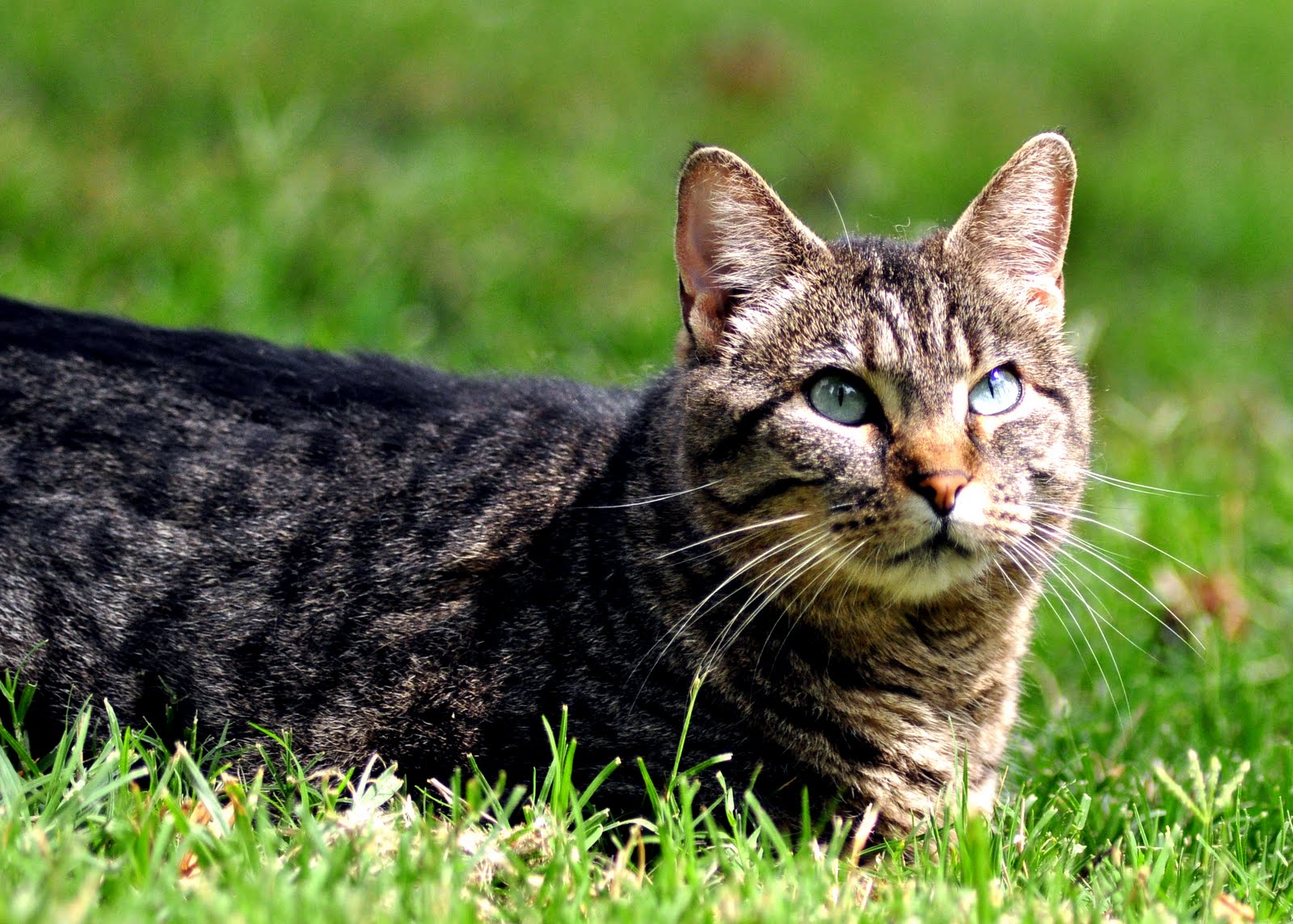
 The black cat eased/sleazed/insinuated himself between me and my pillow, clawless paws kneading my shoulder and yellow eyes staring intently. There was hazy sunlight coming through the blinds and the sound of the early morning newscast in the background. The tabby, neatly tucked in behind my knees, woke and stretched and on the other pillow, the tuxedo cat yawned and then began a slow, firm, nudging for attention. The black dog was already awake and anxiously pacing beside the bed, I could hear her nails doing their morning rise and shine dance on the wood floor while the small brown dog, neatly surrounded by cats on all sides, began giving me a series of wake up ear kisses, hoping to hurry the process of breakfast and a trip outside. The remaining two black cats sat side by side in the doorway, meowing impatiently and poised to race for the kitchen the moment they were sure I was awake - the battle was lost before it had begun - and any sign of movement on my part would be the green light for the morning free for all. I surrendered but made my terms clear - it was Saturday, the first one I'd had off in months, and once they were all attended to, I warned them, I was going back to bed and expected to be left in peace. No hitting, no gymnastics on the bed, no chasing, no tantrums, I admonished them, No howling at the least sound from outside and absolutely no fighting.
There are days when I would cheerfully exchange my world for one of my cats - imagine a life consisting of sleeping and eating, free from responsibility and financial worries, car repair bills, alarm clocks and the IRS. Drama would be limited to deciding between canned food or dry, the worst crisis that could arise would be the lack of a clean sandbox. There would be a human to attend to my every whim and an enviable simplicity to living - no ethical dilemmas, no job demands, no attention to details, no unhealthy emotions to contend with.
What I needed, I decided as I crawled back under the covers, was a new perspective, a time out to reflect and reevaluate, to sort out priorities and make a new plan. I drifted back to sleep on this rare Saturday off, dreaming of salvation and sugar daddies.
 Wasted and fragile from the cancer, pretty much several steps behind from the alzheimers, and out of touch from the pain medication, my mother sat across from me in my brother's tiny and crowded living room. She seemed to be looking at me but, it slowly dawned on me, she was actually focused on some abstract point over my shoulder and not seeing me at all. There was irony here, I thought, some twisted quirk of fate that had brought us to this particular impasse, but I couldn't articulate it - it was more a sense of something to come, something fated to happen. More than that, I couldn't identify.
I didn't know it then, at least not precisely, but I would never see any of the people in that small room again. It was December then and before the spring thaw my mother would be dead. My daddy would follow only a few short years later and my brothers would move on, angry, vindictive and just as harshly unforgiving of me as I was of them. There would be no reconciliation, no re-connecting, no overcoming the past. Ours was a family of strangers who cut ties cleanly, permanently, with relief rather than regrets. No use crying over spilled milk, my grandmother often told me, Clean it up and move on.
The spring thaw is predictable in more ways than one - the snow melt will come, more or less the same time each year and for a time we will put the icy winds behind and be amazed at the rebirth all around us. We will shed all those protective layers and look up to the sun, forgetting the cold and the snow and the hurt feelings and there will be a temptation to believe in the possibility of people changing, a longing to believe that redemption and rehabilitation are as simple as a change of seasons. Each new spring brings a promise of better days, flowers and birds and the sweet smell of newly mowed grass - seductive, comforting, long overdue. I welcome it but with reservations and a little caution, reminding myself that people are not seasons and that any change is superficial, transient, and probably built on a hidden agenda. I come from a toxic family and no spring thaw will redeem it.
So I sat in this small room, cluttered with victorian-ish knick knacks and dark wood paneling, heavy drapes that obscured the sun and the smell of furniture polish and cigarette smoke in the air, an old and proper room, airless and confining. I watched my sister in law lay out my grandmother's china and silver, crystal wine glasses and damask linens, watched my brother entertaining his young son, listened to the sounds of family. And slowly, I became more clearly aware that I didn't belong, that I would never be able to make the compromises required to be accepted, and more surely, that I didn't want to. I loved the side of my daddy that fought for me but despised the side that accommodated my mother at any cost. My brothers were strangers to me, I barely knew either past small talk and my mother had always been someone I would have preferred never to know at all, not even in passing. I didn't think this out, didn't put it into words, didn't anticipate the consequences, but a part of me knew that I had nearly arrived at a destination I'd been headed for all my life.
On the drive home, it began to snow. Several more inches would be on the ground by morning and we would spend the day shoveling and clearing paths from the cabin, letting the dogs run themselves to exhaustion, keeping the wood stove burning and our thoughts to ourselves. Christmas was over and the spring thaw seemed very far off.
With a firm enough commitment, you can create a reality which did not exist before - Margaret Halsey
 Life is a package plan and good comes with bad.
I looked dismally at my tax return, wondering how it was possible to owe additional taxes and thinking that somehow I've gone badly astray in these late years.
My ten year old car has developed an intriguing knock/click when I turn corners and the telltale oil stains on the pavement after a day of being parked are a bad omen.
I scrounge change out of the washing machine for a pack of cigarettes and wish desperately for the urge to quit.
The latticework needs replacing, the back deck is in need of repairs, the fence is standing but several boards are on their last legs, the grass needs cutting and the azaleas ought to be cut back before they overwhelm and engulf the front steps.
A back tooth is making the journey from nuisance to problem and I dare not even open the current vet bill.
I have nightmares that my decision to decline health insurance will return to haunt me.
The big picture isn't much better - treachery is just another name for politics, the profiteers of Wall Street and the insurance CEO's continue to rake it in unregulated and federally protected, the ultra conservative right makes war on everyone and anyone who disagrees with them. Guns are now a fashion accessory.
It's getting hard to tell who's in sorrier shape, me or the world I live in.
 For those of us who have been spared the dilemma of aging parents, it can be a mixed blessing. I discover I have more than enough to worry over and stress about in my own life and simply cannot imagine having the additional responsibility of parental care, the burdens of decision making and the guilt of powerlessness.
My cousin Linda is not so fortunate. First having seen her own parents through end of life care, she now faces a repeat performance with her partner's surviving parent. She must navigate through a maze of choices, none good or easy to live with, none that will satisfy everyone involved, none that she will later think well of. There are financial realities to consider, impossible medical predicaments to be resolved, living arrangements to be made - there are no quick fixes to be had and no truly good solutions to be found. Through it all she will be haunted by memories of her own parents and she will re-feel the pain of helplessness and loss. Her nature is to care and care for and she will need every reserve of strength, hope, patience and understanding.
She will do this with few and far between complaints. She will do this with sacrifice and quiet. She will do as much as she can, as long as she can because it is her nature and because she has no other alternative.
She may doubt her decisions, she may even question her motives, but she will not lose herself in the process. She is far stronger than she knows and she will recognize her limits and reconcile with them.
She may not know it just now, but I do.
 Worry will make you old before your time, my daddy liked to tell me. After a lifetime of marriage to my mother, I often thought his was the true voice of experience. If anybody had known worry, it was my daddy.
This past weekend as I canceled my plans, rearranged my schedule and left work early to care for the small brown dog - she had reacted badly to her annual vaccinations and I spent the entire weekend feeding her baby aspirin and applying warm compresses to her tender sides, the slightest touch brought a bright yelp of pain - I thought of my daddy's advice and wished I was better able to follow it. By Saturday night, the black dog was limping as well though I couldn't tell if she actually hurt or was simply competing for attention but by Sunday it didn't matter since I was wild with worry over the pair of them, badly sleep deprived, and in no mood for advice. Take a breath, my vet told me calmly, Are they better than yesterday? When I had to admit they were - marginally - she again told me not to overreact and that it would pass. And get some rest, she added sternly, They'll both be fine. And by this morning, they were - the small brown dog sleeping peacefully on my pillow and the black dog joyfully chasing the cats to distraction, no sign of a limp. I was exhausted and irritable, having wasted a perfectly good weekend's worth of worry over nothing, paying interest on a debt that wasn't due.
Worry is better saved up and stored under a mattress for the times that you really need it.
 The more I think about it, the more I think it's something in the water.
Greeted by a crashed computer system that refused to grant me access, I called our tech support division and was elated to actually reach a live human being. Can you log on so that I can see what the problem is? she asked in a frilly little Valley Girl voice and I felt elation slip away. If I could log on, I pointed out, Odds are I wouldn't be calling you. There was a pause while she considered the logic of this, then she giggled, Oh, right. I wondered if it was too early for aspirin.
If every day were a Monday there might be some mitigation for the astounding and escalating level of ineptitude and sheer stupidity in the world. You might, for instance, be able to excuse it on the grounds of a hangover or some other foolish flawed behavior - temporary amnesia, perhaps, brought on by a migraine headache. But alas, it's far too widespread for that. There is a low hanging smog over us these days and I suspect it's the remains of millions of dead brain cells, free floating in search of a decent burial, victims of alcohol, drugs, laziness or quite simply dried up and useless from lack of exercise. The world is, no doubt, easier to tolerate if you don't reason or question or allow yourself the luxury of curiosity, imagination or involvement. It's either that, or there really is something in the water smothering us into a pit of stupid, apathetic, sullen, and silly.
My bad, the cheerful, empty headed little valley girl giggled again. And another million brain cells evaporate into the already polluted and crowded skies.
 There is something supremely satisfying about watching - from a distance, more's the pity - the daughter of a lifelong friend come into her own - seeing her leave the protected nest and try her wings, explore, mature, learn, make mistakes. She is her mother's daughter and yet she is not - there is more daring in her, more of a willingness to take risks, more independence of spirit. It comes from her mother's own experience of fighting parental control and breaking free without sacrificing love and without fear. More, I have watched her mother overcome the urge to keep her close, setting her free with pride and unshakable faith despite the inevitable loneliness such freedom would bring. The best parenting creates a child who stands alone without abandoning her raising.
We pass along the best and worst of ourselves to our children whether we mean to or not and although we might willingly die to keep them from harm, in the end all we have to keep them safe is the hope that we did the best we could. There is no certainty so we let go and pray, keeping a room made up and a cell phone close by. We need to know that they know they can always come home and be taken in.
I have had moments, although only a half dozen times and always in passing, what kind of mother I might have been and where life might have taken me if I'd made a different decision. Then of course I think of alligators eating their young - a practice I've always considered highly sensible - and the moment passes.
 Miracles happen.
After six days without food or water, after his stray mother had been trapped and taken away, after more than one fruitless under the house search - the only surviving puppy in a litter of five got tangled in a maze of insulation, asbestos and chicken wire and began to cry. Another search and rescue party was immediately organized and the little orphaned mutt was brought to warmth and safety. My friend Michael, muttering and complaining every step of the way, made him a bed of a cardboard box and an old sweatshirt, filled a hot water bottle, and began the slow process of foster parenting - feedings every few hours from an eye dropper, keeping a careful watch, providing a warm bath and a trip to the vet the very next day. My friend Michael - impatient, demanding, unsentimental and totally immune to puppy eyes and sad, endearing puppy faces - had been taken in hook, line and sinker.
I visited last night and found the two of them together in the upstairs den. The cardboard box and sweatshirt had been replaced with an unused plastic litter box and several thick towels and the puppy was now wide eyed and walking although his progress seemed to involve mostly taking a few steps and then falling over or bumping into a random object and then falling over. He smelled of milk, puppy breath and scented soap and looked like a tiny, fat, short legged little bear cub. Michael has named him Miracle.
Strange bedfellows indeed.
 I brought a friend, my daddy said tentatively when he arrived for dinner, Hope you don't mind. The well dressed and attractive woman beside him, her arm linked casually with his, smiled at me. Not at all! my husband said, smoothly intervening and swinging open the door, The more the merrier!
I was twenty-four that summer and had had my share of awkward moments but Emily Post had never covered the etiquette of meeting your daddy's girlfriend and for a moment or two I was too surprised to react. Then my daddy smiled and said to me, You remember Trudy, and the pretty woman extended her hand. My husband gave me a sharp nudge and somehow I came to my senses, recovered my manners, and shook her hand. Of course, I managed to say, From the quartet. My daddy beamed at me and said, I thought a little gratefully, Exactly!
The quartet had consisted of my mother and daddy and Trudy and her husband, Mitch. They had performed for years at lodge events, church socials and birthday parties and had gathered every Tuesday night in our basement to rehearse. I remembered the sweet harmonies of "Goodnight, Irene" and "Maryanne", a nonsense song about a witch doctor and several old Baptist hymns - all sung with enthusiasm and feeling if not great talent. Afterwards there was beer and pretzels as they stood around the kitchen and made small talk, drinking and telling stories, washing up and joking with each other about who had forgotten what lyric or key change, about what they would sing at the next gig and who should solo. And now half of the quartet was on my doorstep - with my mother safely thousands of miles away and Mitch long dead from a heart attack at fifty.
Dinner, drinks and a game of hearts went off without a hitch but at some point several things began to become clear to me. I slowly realized that this was not a new relationship - it was small things mostly, the way he looked at her, the barely noticeable intimacies in the way he briefly touched her hand, the feeling behind the smiles and the unspoken things that you sense rather than see - this affair had been going on for years. I would never know if he intended to make me an accomplice that night or had just jumped on an opportunity and never looked back and while I was glad for him, I also felt a little angry at being manipulated. You should have a chance to choose the secrets you're expected to keep.
We saw them on and off that summer and for several summers after. My mother's name was never mentioned, marriage never came up, and my brothers were never included. Even small bits of happiness have a price.
 The first of April approaches unstoppably. Buds on the trees are no longer hesitant, pollen is beginning to cloak everything in a green haze, evenings with magic light offer themselves up for the asking, no strings attached. And I am overrun with stray cats.
There is evidence of them everywhere - muddy little paw prints on the hood of my car and the washing machine in the garage, latticework haphazardly worked out of place for easy access and quick exits, the sounds of feline conflict shattering the peaceful dark mornings. They stroll across the lawn as if they own it, lay in wait for squirrels on the back fence, ambush unsuspecting robins and sparrows, make mush of flower gardens and grow fat with the weight of kittens to come. They are defiant but shy, indifferent but jealous, flirtatious but bold. They dodge traffic with ease and outrun dogs and children with no effort at all, as if they have a special immunity to danger. Two doors down, my non-cat loving neighbor puts out traps and tainted food, calls the newspaper to complain, arms herself with a broom and a coat of self righteousness and flies into a wicked rage at the sight of any cat, collar or not. She is offset by the family up the street who put out food and water on a regular basis, drawing more and more strays into the neighborhood, steadily increasing the cat population with well intentioned but misdirected kindness.
This is kitten season, when shelters will fill up in a heartbeat with unwanted litters and we will reap the rewards of overpopulation with fatal injections or carbon monoxide chambers or simple neglect - so preventable - and we will do this because we admire our cats and think they deserve the freedom of unlimited breeding. Cats will be cats, we say, they shouldn't be confined, so we wash our hands of responsibility for them. After all, we say, you can always get a new one. They're especially plentiful this time of year.
Some of us are kinder to our dirty laundry.
 The pretense of hope is over and the news is bitter - my friend Danny died today.
I want to write something uplifting about his life and his music, a tribute to the kind of man and musician he was but all I feel is emptiness and a dismal free floating anger. To a part of me, his death doesn't seem quite real yet while another part is weighted down at the unfairness and pain of it.
I hope he is some place where there is spicy food and a guitar, some place where there is applause, laughter and love, where the skies are clear and he doesn't have to play for the door.
 You're the same as anybody else.
Sally Field to Tom Hanks, Forrest Gump
Depending on how you see yourself, the words can be comforting or insulting. It's all a matter of interpretation. Linus was barely six when he realized he was different, a dark haired, shy child in a family of blonde, blue eyed, loud and adventurous souls. He hated guns and was afraid of the sea, preferring poetry and gentle music to the raucus and often crude melodies his brothers made up as they worked in the fields. He learned to read early and would beg the schoolteacher for "real books", hardbound and heavy, rather than the ubiquitous comic books his brothers so admired. His world was made up of words and images only he could see and he soon became an invisible child, forgotten and overlooked by his hard working and distracted parents, dismissed by his brothers as not worth their time or trouble. There was no malice or harm intended, his daddy often said with a shrug, It's just that the boy lives on the other side of the river.
Being a child most people didn't take notice of when he was there - or miss when he wasn't - it was easy for Linus to drift, carried by currents even he didn't understand. He helped the schoolteacher with lessons, fed the seagulls with Doolittle, learned herbs from Rowena, picked wildflowers for Miss Violet and Victoria, joined Miss Clara in tending the graveyard. And he wandered constantly, with a distant, slightly set apart aimlessness - along the coast at low tide, into the back woods, through the square where he didn't hear those who called his name and didn't see those who waved. He carried a small notebook and a pencil stub and would stop here and there to make notes, no one knew why or about what. If he did notice someone, he might tip his cap and offer a small smile but otherwise he went his own way, focused on his own faraway and hazy thoughts, too young to find the words to express or explain them, too inward turned to try. By his teens he had mostly disappeared and become a shadow on the edge of island life, no one seemed to know how he lived or where and on the rare times we would catch a glimpse of him - a solitary and far off figure walking across the back pastures toward the sunset - we would run like the wind but never catch up. He would vanish into the horizon long before we reached the place he had been and there would be no trace of him save for a brief trail of bent grass that would unaccountably end at the end of the cliff. Loving the mystery and hoping that there might be real magic in the man, we pursued him each summer but found only suggestions of his passings by - a whisper of pipe smoke where it shouldn't have been, a broken branch snagged with a thread of denim, a bit of yellow pencil in the dirt of a back road. Summer after summer, the reality of Linus eluded us until it seemed he must be dead or turned into a bird and flown off to the faraway, as Miss Clara liked to think. Uncle Bernie said he had found Land's End and the Allalonestone from "The Water Babies" and was living with his own kind, happy and understood at last, at peace with himself. Nana dismissed it all as romantic drivel and childish notions, Boy drowned and was carried out to sea and that's a fact, she told us firmly, Only magic and mystery was that it took so long. Clearing ground for a new still years later, Bill Allbright discovered a hut made of mud and sticks and branches. A natural rock formation made for a makeshift bench at the edge of the cliff and inside the hut the embers from a fire were still warm. Of Linus, there was no evidence and the only other sign of life was the flock of seagulls circling overhead. Weren't no place to run off, nowhere he could've hid, Bill confessed to Miss Clara, Me on the one side and the sea on the other. Even so, reckon I'll find me another place for the still.
The mystery and magic of the boy who lived on the other side of the river remained. If the seagulls knew the truth, they weren't talking and if the children that came after us ever found him, they weren't telling. There are some things you take on faith or not at all.
 They stalk each other sideways, backs arched and tails twitching. Their eyes lock but there is no sound until one breaks and runs, then the other pursues fiercely. They tumble and somersault over each other and end up wrestling on the floor in an enthusiastic kind of bear hug embrace, then each walks away with grace and as much dignity as they can manufacture, clearly pretending to have no interest in each other. It's a ritualized performance, sometimes repeated several times in a single day, sometimes not for weeks at a time but there is no malice in it, no intent to harm. The other cats watch with mild interest but are always careful to keep their distance - they never join in - only the young tabby and the older black cat are inclined to play this feline game and it always ends in a draw.
I watch all this and have to wonder why I can't be so casual and forgiving with human entanglements, why insignificant emotional fender benders have to turn into head on collisions. The power of reason should make me smarter than a cat, I keep reminding myself, yet they seem to have the edge - too wise to hold a grudge, too confident to take affront, too secure to care what other cats may think. Cats aren't compelled to compete or be vindicated, they fight and forget, they move on. Apologies aren't necessary - nothing in their interactions ever requires being sorry - and they never seek therapy or self help groups.
Cats just get along or go along, depending on their mood, taking what comes or doesn't with the same equilibrium, the same independent spirit and devil may care attitude.
Oh, to find the self assurance and untroubled life of a carefree cat.
 Trying to convince my to sign up for our new health insurance plan, the doctor's wife gave me a sweet smile and suggested that I could cut back on expenses. Your fingernails, for example, she ventured with a meaningful glance at my manicure. When I shook my head at this notion, she shrugged. Or, you could sell your house and move. Startled speechless at this, my jaw dropped with the effort of believing that she was serious. Much later it occurred to me that I could've made a counter suggestion that she sell her expensive Land Rover and give me $1 an hour raise which I would in turn use to pay for the insurance. Tactless as it might have been, I suspected it would've have been deserved.
Replaying this conversation in my mind later in the morning I found myself getting angry. Sell my house and move? To be able to afford to sign up for health insurance?
She couldn't have really meant it, I told myself firmly.
I don't need you to worry for me cause I'm alright
I don't want you to tell me it's time to come home
I don't care what you say anymore, this is my life
Go ahead with your own life and leave me alone
Billy Joel
 Trying to convince me to sign up for the new health insurance plan, the doctor told me a story about a woman trapped on the roof of her house during a flood. A helicopter arrived to rescue her but she would've been forced to leave her dog so she sent it away. I know they're like family, he told me with a patient smile, but times come and you have to put yourself first.
Sorry, Doc, I told him in return, They're not like family, they are family and I would've sent the helicopter away too. He looked at me a little sorrowfully as he might a helpless if slightly dimwitted child and shook his head, at a loss to understand my answer.
Loving animals isn't about logic. It isn't about the vet bills or the responsibilities or the sacrifices. It's not even about the trials or the joy they bring to your life. These small, dependent creatures each have their own god given life and if you're fortunate enough to share it, you do all you can to make it good, to make it last as long as possible. If there's no room for them in the helicopter, you don't go.
 The argument downstairs was reaching epic proportions.
Even through my closed door, I could hear my mother alternately crying, wailing, and screeching like a jackal. My daddy's words were muffled, a low hum of calm and patience in a fierce storm but they were lost and useless against my mother's escalating rage. He was beaten before he started and I knew he would eventually climb the stairs to my room to mete out whatever punishment they finally settled on. I hadn't taken the $20 from her secret cookie jar but it wouldn't matter - it was gone, someone had to be held accountable - and in the interests of peace and quiet and a decent night's sleep, my daddy would acquiesce to her demands for retribution. He would hate it but he would do it, and come morning when she smirked and strutted in victory, he would not be able to meet my eyes. Shame is a powerful weapon, self sustaining and long lasting and it leaves a bitter taste on the tongue, a permanent wound on the soul.
My daddy, ever courteous even in the act of selling out his children, knocked on my door before entering. I focused on the weeping willow tree next door, imagining it a giant, flowing cavern with a hidden entrance, imagining that I could dive through and be safe from my family and protected from the world of evil witches, lying old crones and battered kings. My daddy spoke in low tones, hesitantly explaining that he had no choice, trying to reason me into a confession and a lesser punishment. The old weeping willow seemed to sing to me, offering up its branches and leaves as a cloak, beckoning in the wind and promising me shelter and fairness. Even if you didn't take it, my daddy said weakly, Your mother......
Can go to hell, I finished for him defiantly and the willow nearly cheered. My own words shocked me and for a moment I flinched, as if he might actually strike me, but this was my daddy - weary to the bone, trapped, not proud of his actions and too impotent to fight back. He sighed deeply and left, closing the door quietly. Well? I heard my mother demand roughly, but there was no answer. Amid the following shower of threats and curses, the front door opened and closed, and the old station wagon pulled out of the drive and drove off. I remember thinking how unfair it was that he could escape with a quick turn of an ignition key, the image of a criminal fleeing the scene of a crime came to my mind, and I turned back to the weeping willow, wishing it closer, wishing I could disappear into it.
 He was always impeccably dressed - even when wearing his Saturday clothes, his khakis were creased, his shirt ironed and his shoes shined. He smelled of Old Spice and presented a congenial and courteous figure of a successful southern lawyer. When he asked advice, he listened to the answer and paid attention. When he gave advice, it was thoughtful and precise. He appeared to be a respected, old school, almost elegant southern gentleman, smiling when speaking of his wife and family, serious about his law practice, dedicated to the country club and now and then overdoing the martinis. I never saw the rough edges or the private side that landed him in jail, accused of carnal knowledge of a juvenile - an 80 year old lawyer having oral sex with a 16 year old in the very confines of his law office.
How do you return to your life, I wonder?
There's no cover in a small southern city such as our's, not if you're well known and well thought of, not if you're a member of the upper class, not if you live in the right zip code and sometimes make headlines. All the charitable donations and good works will not give you back your privacy, will not insulate you from sex scandals. You can play golf with judges but unless you're Tiger Woods, there won't be any special favors granted. It makes me appreciate the anonymity of big city life where you can dive into your particular dark side and hardly be noticed.
After all the sad jokes have been made and grow stale, after the publicity dies down and the talk turns to other things, after a trial or a plea or whatever the outcome, I'm still left wondering - how do we forgive? How do we rebuild? How does he return to his life?
Why, my daddy might say and I can almost hear the cynicism in his tone, He follows the example of the politicians. What else?
 I rode the old plow horse into the woods, imagining myself a wild Indian on a bareback pony, in search of new hunting grounds. Indians had once lived on this farmland, so my daddy had told me and although I suspected they had been closer to Navajos rather than Apaches, I preferred to think in terms of war paint and proud warriors. The old horse walked lazily and calmly through the trees, not exactly a fast moving Indian pony with feathers in his mane, but close enough for me. The trail he followed was his choice, not mine, and if struck by a whim I knew he would duck under a low hanging limb and sweep me off, but still I sat straight and defiant, a lonely brave following imaginary smoke signals and drums. Other days the horse might be a thoroughbred, rounding the last turn like the wind and headed for the finish line amid wild applause, leaving all the horses in the dust. Sometimes though, he was just an old work horse with a six year old on his back, wandering the pastures at his own pace, carrying me away from the noise of harsh reality and into a quiet, pastel sunset.
Back in the stall, I brushed him and smoothed his mane, fed him oats, and carrots and apple slices my grandmother Ruby had slipped in my overall pockets then curled up in the dusty, sweet, warm hay and read until I fell asleep. I liked thinking that he was watching over me like a great soft eyed guardian angel. I loved the pigs and chickens, adored the cows, but I trusted the old horse to keep my secrets and protect me. One day, I thought, I would ride such a horse down the road and into The Land of No Looking Back where there would be apple orchards and sugar maples and it would always be summer - we would never grow old, no one would ever find us, and we would never have to come back. The old horse listened to all this with a soft whinny of approval and a stamp of his hoof, his liquid eyes watching me with a lazy gaze. He shook his mane and switched his tail at the flies, nuzzled me for another slice of apple.
It was hard to leave the barn when the dinner bell rang, harder still to wait for the next morning and the next ride. On some nights I was so anxiously impatient that I slipped out after bedtime and made my way back to the stall to sleep in the hay. Nothing bad could happen in the company of the old horse, not in my imagination or in real life.
 She wore nothing but the best designer clothes and shoes, never appeared anywhere without her nails done and her face made up, and accessorized with oversized jewels. When she finally decided it was time to experiment with blue jeans, To keep up with the times, she told me, and the young people! She chose Christian Dior and I didn't have the heart to tell her that most of my jeans came from the Army Navy surplus store - it would have been distressing to her.
She had come from a small town in Tennessee, married well, produced three children. She was someone who pretty much actually practiced her faith on a daily basis and was open hearted, tolerant beyond any requirement, determined to make everyone feel at home and welcome. I doubt she ever understood the city girl her son had married but no mind, she was a woman who in large measure respected the choices of others and she accepted me with no questions asked. I sometimes thought that she felt her it was her mission to make up for what she was sure I had been denied in my childhood - it was well meant, born of affection and caring, but often suffocating - she went out of her way to assure that I was included in everything, whether I wanted to be or not - free will and family don't always make the best partners. But I loved her, for her Dior blue jeans, her infectious laugh, her kindness and concern. She was, in an odd way, a submissive and traditional southern woman, putting church and family above all else, being charitable with her wealth, and keeping her private battles to herself. For surely there were demons to fight, seeing all her children marry and divorce, watching them outgrow her care and control, now and again being treated more as a decoration than a flesh and blood woman with the power of reason. Life on a pedestal can be airy, carefree, as well as lonely.
She was, so she said, happy and fulfilled being in second place to the powerful and dominating force of the man she had married. If she had ambitions, she channeled them into her children, her community, and her churchwork. She was happy traveling, seeing to everyone else's needs, organizing and keeping track, shopping and antiquing. She kept the homefires burning and was a proper, admired, and docile wife, every whim granted, every wish granted. I didn't want to but there were times when I wondered if there might not be a part of her that was restless being under the generous and accomodating thumb of an adoring husband, if she might not have occasionally wanted to tilt the balance of power - just a bit. As close as we were, I doubt I knew the real woman anymore than she knew me.
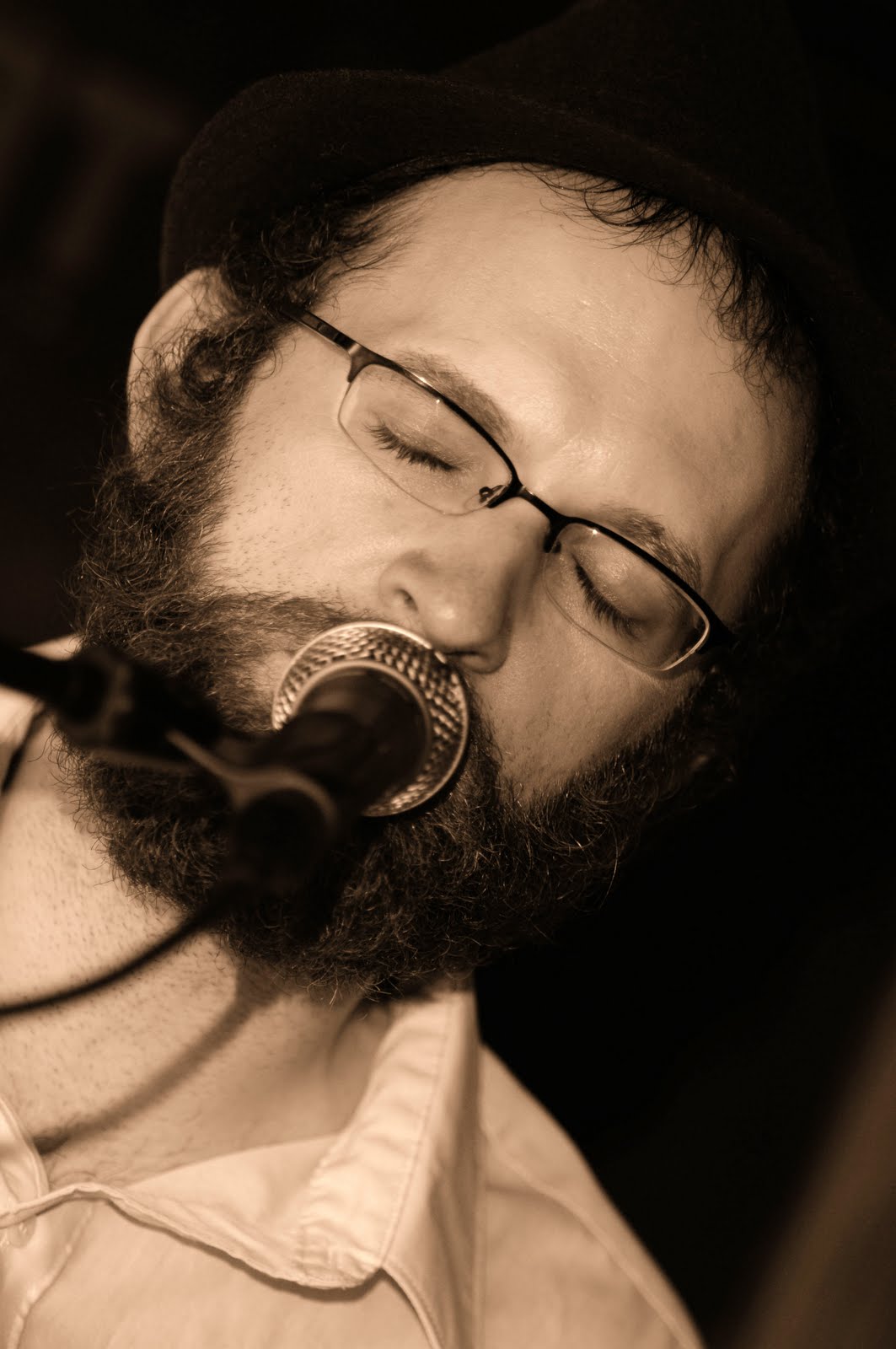
 Prayer changes things and miracles happen every day, a 12 stepper musician friend reminded me as he set up his equipment. The bar was already jammed with musicians and fans and friends, all there to raise money and support a local guitar player recently diagnosed with cancer - the very best of the region's players gave their time and talent without a second thought - telling stories, playing their hearts out, passing the hat, offering prayers and get well wishes. The air was blue with cigarette smoke but hip deep in hope.
We aren't promised much in this earthly life but struggle and disappointment and it's tempting to blame what we don't understand on God or fate, easy to be angry at the unfairness of it all. Weariness makes us easy targets - we are frail creatures, made of bones that break and flesh that doesn't always heal - optimism often eludes us and dreams hang just out of reach. We lose those we love, work all our lives just to break even and keep body and soul together, and in the end, it's all out of our hands. The one joy and redemption, inevitable outcome aside, is that we make a difference even if we don't see it or reap its rewards.
My friend Danny has touched lives and made a difference - small acts of kindness, encouragement for young and struggling musicians, persistence and dedication in the face of adversity. More than once he's lost his way and found it again and on balance has given more than he's taken. Confronted with an evil illness, he keeps faith, stays upbeat and positive, and continues to fight his way through. And though he isn't at his own benefit, his immune system being fragile and his body in need of rest, his essence is everywhere. He has learned to love trouble and giving up is something he doesn't know how to do.
He's leaving for home soon, going back to California and his roots, to the place where his music started. We will be poorer for his absence.
 Bible scholars on the island were in short supply and Miss Abby was the definitive source for questions of conscience and parables. Though much respected and well thought of, the preacher was too busy with every day church business to provide any more than traditional spiritual guidance and regular Sunday scoldings - Miss Abby knew every chapter and verse of The Good Book by heart and recited the Bible stories with hellfire in her heart and a shotgun at her side. If one don't work against the devil, reckon the other will, she liked to tell folks when they visited, Have another biscuit.
On Saturday nights, Miss Abby lined up tin cans on stumps for target practice. Shading her eyes, she raised her old shotgun to her shoulder, set her body in a shooter's stance, and blew the bejesus out of every target. None of us could recall a time when she had ever missed - her aim, like her faith, was deadly accurate - and though the recoil often set her back a pace or two and once had even dislocated her collar bone - these were small prices to pay for being ready to fight the devil. Could be you only get one shot at ol' Satan, she warned us, Best to make it count.
During the day she raised rabbits for showing and kept honey bees. Some of the best of the good Lord's creations don't walk two legged, she advised us as she taught us how to approach the bee hives and clean out the hutches,
Rabbits and bees be every bit God's creatures as you and me. Serpents on the other hand, were clearly the work of the devil and she showed them no mercy, blasting them to kingdom come at every opportunity. Vipers! she snarled and took aim, Begone! She kept a small bible in her apron pocket at all times and often quoted just before shooting, Behold, unto you I give the power to tread on serpents! The dead reptile would be kicked aside, lifeless and unclean, and Miss Abby would tell us to fling it into the sea. I had no idea until that summer that my daddy, as gentle and tolerant a man as ever lived, had a powerful, debilitating fear of the unholy creatures. On hearing of Miss Abby's merciless treatment of them, he shivered and muttered, More power to her. Uncle Willie made one attempt to point out that even serpents served a purpose and Miss Abby gave him a long, dark look then ordered him off her property, Blasphemy! she snapped and reached for her gun. Uncle Willie wisely chose not to debate her.
Sitting in her old cane rocker with her shotgun beside her and her Bible in her lap, she read to us - the story of Daniel in the lion's den, Joshua and the battle of Jericho, Moses and the Red Sea - grand tales of miracles, faith and retribution, lessons in morality and the endless battles between good and evil. Let there be no serpents in your gardens, children. Have another biscuit.
 Little by slow, they say in the 12 step programs, Little by slow.
I sometimes wish I could be 20 again, provided that I could keep my 60 years of learning and experience and do a better job of it. I've always liked the concept if reincarnation - it's a series of second chances to grow and come back smarter, kinder, more appreciative, working your way through different forms and seeing the world with different eyes. Playing with the dogs, on their level, I see a new perspective and I'm reminded that my own point of view may not be the only point of view, even feet take on a new meaning when you're at eye level with them. So while I see arrogance, someone else sees confidence. While I see poverty, someone else sees the inevitable consequence of laziness. While I see kindness, someone else sees weakness. Whatever we see or don't see, it's all through the filters we call our own experience. Overcoming our own experiences to see the other sides of things and people is a process and some of us are more open to it than others. Nothing changes slower or with more pain than inbred, comfortable fitting old attitudes - like a new pair of shoes, they need breaking in and wearing.
So, dear, the patient asked as she was fitted into a surgical boot, Does it come in navy blue?
The nurse glanced at her to verify the seriousness of the question. No, she said shortly.
And I have to wear it 24 hours a day? the patient persisted, Even when I sleep?
That, the doctor said mildly, would be the definition of 24 hours a day.
Why, I wonder, do we seek out professional people, pay them for their counsel and advice, and then refuse to follow their instructions?
I need a bottle of red wine, the customer tells us, Not too expensive.
We make a suggestion, a modestly priced California cabernet from an old, established winery.
The customer handles the bottle, inspecting the label, frowning. Is this one good? he asks doubtfully.
Oh, a co-worker tells him with a broad smile to take the edge off, You want a "good" one?
Little by slow, I remind myself. Have patience, don't take offense at stupidity, smile, and get through the day.
 If, at this stage of my life, a man I loved suggested that we live together, my reaction would be instantaneous - I would leap at the opportunity without a second thought or recoil and run for the hills. It would not occur to me to have a series of conversations or think it through - I am more a person of impulse than I like to believe.
A friend I have known almost since I was able to walk finds herself precisely at this point. Her immediate reaction was caution - she is slightly younger but far more insightful than I - and gentle pressure on the brakes was second nature. That she loves this man as he does her is clear and were it 30 years ago when there was room and time to make mistakes, she might've jumped to clean out drawers and make a permanent space for him, might've run that yellow light without hesitation. But age and experience have taught her wisdom and foresight, the ability to look forward more clearly, to evaluate risk and consider options, to weigh the impact upon them both and her daughter. If anything, she has a tendency to overthink, but at this particular intersection, it's wise to look in all directions and I envy her restraint and common sense. She's in love but not ready to jump off the cliff.
Life is often more forgiving if you jump with a parachute, more tolerant of risk taking at 20 than 50. This is not someone who commits easily, not someone willing to share her life just out of love and good chemistry - she wants it all. I have a suspicion that this time she may find the happy ever after.
 She had just turned 92 and while her body was in decline, her mind was still sharp, her wit still agile. Having finished with the doctor, she made the long trek down the hallway - shaky but unassisted, a nurse at her elbow, just in case - and she reached the front desk, a little out of breath, a little bent over, but still under her own power. She gave me a smile and a gold tooth gleamed, her hands were heavily veined with crooked fingers and neat nails. She wore an oversized watch and a plain gold band - 70 years of marriage to the same old man, she had once told me - and her hair, completely white but still thick and wavy, was pinned up in an uncooperative bun at the back of her neck. She adjusted her bifocals and produced her checkbook, Doc says I'm good for another 100,000 miles, she announced in a voice that was tremulous but cheerful, How much I owe, hon? She meticulously wrote out her check, the letters formed slowly and with great care, her crippled fingers fighting every pen stroke, the movements clearly painful for her. She folded her receipt and next appointment card and tucked them into her purse with some effort, pulled her coat closer over her thin shoulders, glanced around to make sure she hadn't forgotten anything. The nurse pulled open the door for her and she made her way through one cautious step at a time. In the waiting room, her son, Walter - a mere lad of 70 - reached for his cane and pulled himself to his feet, straightened his tie, and took her elbow. See you next time, I called, Ya'll behave yourselves, hear? Walter gave me a sour look and said At our age, there's not much choice, while his mother turned and gave us a wink, Ya'll too, she said with a cackling laugh, Ain't never too old to misbehave! Her son, we suspected a little less shocked than he appeared, glared at her, Mama! She gave him a mild cuff to the ear, Lighten up, boy, she snapped at him, I'm old but I ain't dead! Defeated in the face of such optimism, he guided her toward the door without another word, shoulders sagging and eyes on the floor.
Age is so much more than chronology.
 As if trying to redeem itself, the last day of February dawns clear, filled with sunshine and something very like warmth. The cat sitting on the back porch railing grooms itself and yawns, taking the day for granted as it stretches in the sunlight. The dogs erupt out the back door and the trespassing feline makes a startled leap and disappears under the deck in a flash of calico. The dogs stage their usual ineffective pursuit but the cat is fleet of foot and agile - she moves like liquid lightning and leaves them in the dust - her dignity is slightly ruffled by this less than lofty retreat but she is still graceful, emerging victorious in the front yard and taking up a new position on the roof of my car where she curls up into a ball and immediately falls asleep.
Things at my friend Michael's are less peaceful. After a week in Dallas, he returned to his house and new cat, surveyed the scene and immediately picked up the telephone, bypassing the niceties of small talk to begin the conversation with a harried "COME GET THIS THING!" I sighed and calmly told him no, you let him in, you deal with him. After several minutes of ranting and raving - this call's main complaint seeming to be the cat's determination to trip him by twining around his ankles - I explained about separation anxiety, about the need for a clean litter box, about an animal's need for affection, about feline behavior and attitude. Meet him halfway, I advised, Learn to live with him by watching where you're walking, by paying attention. Make a small effort to understand him. Living with a cat is an adjustment. There were un-veiled threats about barn cats and microwaves, muttered warnings about devil cats and cats who refused to abide by the rules, cats who interfered and got underfoot and upset the natural order, cats who failed to appreciate their good fortune, cats who - simply stated - behaved like cats. Having heard it all before, I listened as patiently as I could, hoping that this extended vent might wear itself out and fade away. Through it all, I could hear the cat in the background, his loud meow's coming through the telephone lines clearly and coherently. It was more than I could say for Michael.
I'm struck by the thought that those of us who are wound the tightest unravel the fastest.